
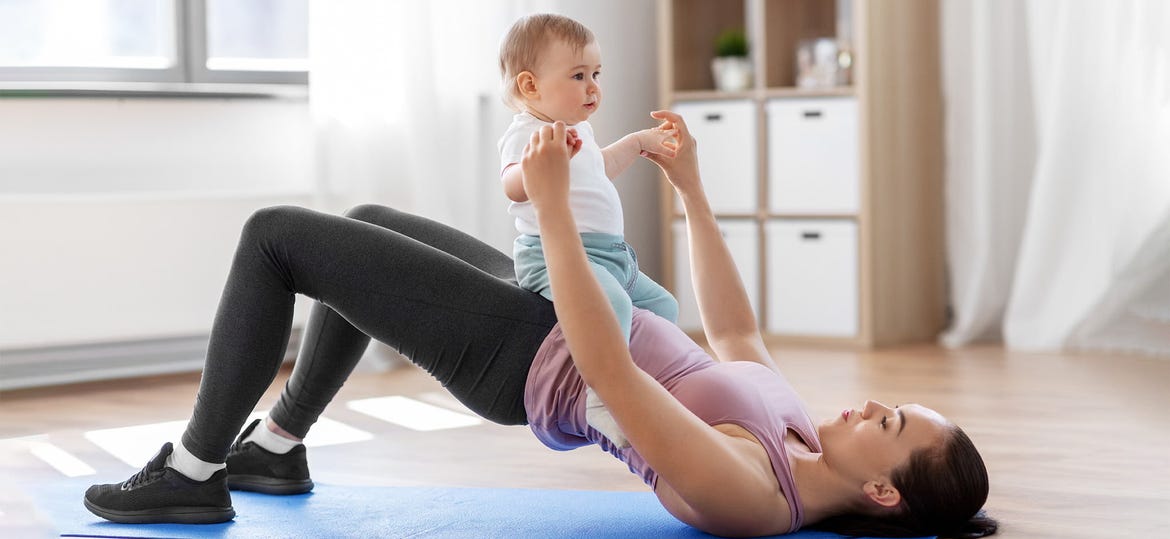
Postnatal Pelvic Floor Exercises
How to help your body regain its strength
A gentle return to being in tune with your body
You may have experienced this: you are laughing, lifting your baby, or taking a few quicker steps, and suddenly you feel that ‘down below’ things are not quite as stable as they once were. This is entirely normal. Your pelvic floor has supported your baby for months and stretched significantly during childbirth.
A new phase now begins: postnatal recovery. Think of it as a gentle invitation for your body to find its way back to itself.
Why pelvic floor exercises are important after giving birth
Your pelvic floor is a group of muscles that supports your organs, influences your posture, and provides stability. After pregnancy, it may be weakened, which can present as:
- a feeling of heaviness in your lower abdomen
- mild incontinence when coughing, laughing, or jumping
- back pain
- a sense of instability
Gentle exercise can help your body regain balance.
Application: Pelvic floor exercises
Many women begin with very gentle exercises just a few days after giving birth.
After a vaginal birth: Simple exercises such as mindful breathing and gentle contractions are often possible early on.
After a caesarean section: Begin more cautiously. You can still start activating your pelvic floor early, as it is also affected by pregnancy.
After around six to eight weeks, sometimes earlier or later, many mothers begin structured postnatal recovery. By this stage, any birth wounds have largely healed, and your body is ready for gentle, targeted exercise. Postnatal classes led by midwives, physiotherapists, or clinics can provide valuable support.
It is important not to start a traditional postnatal exercise class too early, as this may strain the pelvic floor or increase sensitivity.
(Re)discovering your pelvic floor
Many mothers say after giving birth that they are unsure how to engage their pelvic floor. This is very common.
A few simple visualisations may help:
Imagine you are trying to briefly stop the flow of urine, or picture gently lifting an imaginary pearl inwards and upwards using the muscles at the entrance of the vagina. This can help you identify and feel your pelvic floor.
Simple exercises for everyday life
Small, regular movements are often more effective than longer sessions. Here are three simple ways to train your pelvic floor:
Breathing and awareness
1. Place one hand on your abdomen.
2. Take a deep breath in and allow your abdomen to relax.
3. As you breathe out, gently lift your pelvic floor by contracting the relevant muscles.
The ‘lift’
1. Imagine your pelvic floor moving from the ground floor to the third floor.
2. Lift it slowly, one level at a time.
3. Hold briefly, then lower it slowly and relax.
Everyday exercises
Suitable when carrying your baby or walking:
1. Stand upright.
2. Relax your shoulders.
3. As you breathe out, gently engage your pelvic floor.
Tip: Many mothers find it helpful to set a reminder, for example during each breastfeeding or bottle-feeding session.
Pelvic floor exercises with love balls
If your postnatal recovery is progressing well and you have been given approval by your midwife or physiotherapist, love balls may help improve awareness of the deeper muscle layers. Some women find this helpful, as the additional weight makes it easier to feel when the pelvic floor is engaged and when it is not.
Start with very light balls, practise for only a few minutes, and ensure you feel comfortable throughout. Pain or pressure may indicate that your body needs more time.
Every postnatal recovery is different. If you are unsure, seek professional advice.
Frequently asked questions about postnatal pelvic floor exercises
How long will it take for my pelvic floor to feel normal again?
This varies from person to person. Some notice improvement within a few weeks, while for others it takes longer. Your body has been through a significant process, and recovery takes time. Regular, gentle exercise is more beneficial than pressure or intensity. If there is little improvement after several months, a specialised postnatal class may help.
Can I breastfeed and do postnatal recovery exercises at the same time?
Yes, many gentle exercises can be incorporated during breastfeeding. Breathing exercises and light engagement of the pelvic floor are particularly suitable while sitting. Your body also releases calming hormones during breastfeeding, which may support relaxation. Ensure you are in a comfortable position to avoid tension.
How can I tell if I am exercising too much or too intensely?
If you experience pressure, pain, or a pulling sensation downwards after exercise, it may have been too intense. Pelvic floor exercises should feel supportive and gentle. Positive signs include improved body awareness and better control in daily activities.
Can the pelvic floor be too tight?
Yes, this is more common than many realise. Some women have an overly tense pelvic floor, often due to stress, a long labour, or habitual muscle tension. In such cases, relaxation exercises, breathing techniques, and gentle movement can be beneficial. Specialised physiotherapy may also help.
When should I seek professional help?
If you experience ongoing pain, a strong sense of pressure, incontinence, or uncertainty during exercise, it is advisable to seek support. Many physiotherapists specialise in pelvic floor care and can provide individual guidance. Seeking help early can support a smoother recovery.
Latest reviews
-

-
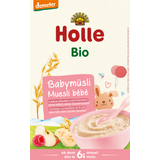
Holle Organic Demeter Whole Grain Baby Muesli, 250 g
- From the 6th month onwards
- Carefully selected grains
- Very fine organic whole grain flakes
-

Milupa Baby Cereal with Milk, Straciatella - Little Gourmet, 400 g
- Age: 8 months & up
- With chocolate chips
- Practical resealable bag
Magazine Articles:
Discover Babymondino:
-
Switzerland: Free standard delivery from CHF 69.90
-
Delivery in 3 business days.
Secure payments
with SSL encryption technology