

Pain-free Breastfeeding
Tips for dealing with sore nipples & breastfeeding problems
Breastfeeding is a wonderful moment of closeness, but it can also be painful, especially at the beginning.
Many mums feel unsure or overwhelmed when latching on is painful or when the baby is not suckling properly. We provide practical tips for dealing with breastfeeding problems and for easing the pain. This helps to make breastfeeding a more pleasant experience for both of you.
Why breastfeeding sometimes hurts
Pain whilst breastfeeding is not uncommon, especially in the first few days. Common causes include:
- Incorrect latch: the baby does not take the nipple and areola into their mouth properly
- Sore nipples: small cracks or sore patches caused by vigorous suckling
- Milk congestion or blocked milk ducts: this can cause pressure, tightness and discomfort
- Infections (mastitis): redness, warmth, fever and severe pain
Tip: Pain does not have to be part of the experience. With the right techniques and a few simple aids, it can often be reduced significantly.
Correct latching: How to breastfeed pain-free
Hold your baby close to your body, tummy to tummy. Your baby should open their mouth wide and take in not only the nipple but also a large part of the areola, especially at the bottom. Your baby’s lips should be turned outwards, and their chin and nose should touch your breast whilst feeding.
Try different breastfeeding positions, such as the cradle hold, the football hold and the side-lying position.
You will find the position that is most comfortable for both of you.
Many mums find nursing pads or nipple creams helpful for soothing sore nipples and making breastfeeding more comfortable.
Relieving pain whilst breastfeeding:
- Change your breastfeeding position regularly.
- Gently massage your breast if you have a blocked milk duct to help release excess milk.
- Rinse your breast gently with cool water after feeding.
- Feed regularly to help prevent blocked milk ducts.
- Alternate breasts after each feed.
- Seek medical advice if you experience severe pain or a fever.
- Avoid leaving long gaps between feeds.
- Apply cream to your nipples after feeding.
Helpful breastfeeding aids
Breast pads protect your clothes and help keep your breasts dry. If your breasts are sore, lanolin-based nipple creams or a small amount of breast milk can be applied to the irritated areas to support healing. Many mums also find breastfeeding pillows helpful, as they relieve pressure on the back and can help prevent discomfort.
When to seek professional help
If you experience severe or persistent pain whilst breastfeeding, or if you have cracks, bleeding or signs of infection, or if your baby is gaining very little weight and feeds very restlessly, you should seek help. Breastfeeding counsellors, midwives and paediatricians can offer personalised advice and support in resolving breastfeeding problems.
Frequently asked questions about breastfeeding
Why does breastfeeding often hurt at first?
Breastfeeding can be painful at first because the baby has not yet learnt to latch on properly. Many mums find that their nipples become sore if the latch is too shallow. Unfamiliar sucking patterns or feeding sessions that are too short can also cause discomfort. With correct latching, different breastfeeding positions and aids such as nipple creams, the discomfort can usually be relieved quickly. It is important to listen to your body and seek help if you experience severe pain.
How can I tell if I have a blocked milk duct or mastitis?
A blocked milk duct often appears as a hard, tender area on the breast, which may feel warm and look reddened. There may also be mild pain or a general feeling of tightness. Mastitis may also cause fever, chills or a strong feeling of being unwell. Gentle massage, frequent feeding and avoiding stopping breastfeeding early can help improve milk flow. If symptoms persist, you should consult a midwife or doctor.
Which breastfeeding positions help with pain?
Different positions can help prevent pressure points and reduce pain. The classic cradle hold is well suited to newborns, whilst the football hold can be more comfortable for restless babies or after a caesarean section. The side-lying position is ideal at night or when the mother wants to rest. It is important that the baby takes in enough of the areola and that their back is well supported. Trying different positions can help you find the most comfortable option.
Can I carry on breastfeeding if my nipples are sore?
Yes, in most cases you can continue breastfeeding, and it can even be helpful as it supports milk production. Treating sore nipples with lanolin ointments, special nipple creams, or breast milk can support healing. Correct latching and changing position regularly are also important. Nipple shields may provide short-term relief, but should only be used as a supplementary measure. If pain or inflammation continues, you should seek medical advice.
When should I seek professional help?
Professional help is advisable if the pain is severe or persistent, if cracks are bleeding or if an infection is suspected. If your baby is feeding restlessly, gaining little weight or having difficulty taking in enough milk, a breastfeeding counsellor or midwife can provide targeted support. They can often suggest simple adjustments to the latch that make a significant difference. In some cases, even small corrections are enough to relieve pain and resolve breastfeeding problems. It is best to seek advice early, as this can help both you and your baby.
Latest reviews
-

-
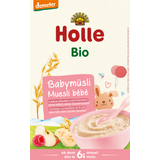
Holle Organic Demeter Whole Grain Baby Muesli, 250 g
- From the 6th month onwards
- Carefully selected grains
- Very fine organic whole grain flakes
-
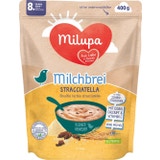
Milupa Baby Cereal with Milk, Straciatella - Little Gourmet, 400 g
- Age: 8 months & up
- With chocolate chips
- Practical resealable bag
Magazine Articles:
-
Switzerland: Free standard delivery from CHF 69.90
-
Delivery in 3 business days.
Secure payments
with SSL encryption technology