

11 Questions Every Mum Asks When Starting to Breastfeed
Helpful tips when starting to breastfeed
Breastfeeding is natural, but that does not mean it always comes easily. Every mum needs time to adjust, and it is completely normal to feel unsure or overwhelmed at the beginning.
We have answered the most common questions about starting your breastfeeding journey.
With patience, support and a few small routines, breastfeeding usually becomes easier over time.
1. When should I breastfeed my baby for the first time?
Ideally, straight after birth. Many hospitals encourage skin-to-skin contact, where your baby is placed directly on your chest and instinctively searches for the nipple. This first close contact can support breastfeeding greatly. If it does not work immediately, do not worry. Every mum and baby need their own time to settle into it.
2. What is cluster feeding?
Cluster feeding describes periods when your baby wants to feed very frequently, almost continuously, often in the evening. This is completely normal and does not mean that you have too little milk. Your baby is helping to regulate your milk supply. As babies grow, they need more milk to support their development, so these phases are entirely normal. In the beginning, it can be overwhelming because one feels tied down all the time. Snacks, water, a comfortable position and your favourite nursing pillow can really help you through it.
3. How do I find the right breastfeeding position?
Try different positions such as the cradle hold, football hold or side-lying position. A nursing pillow can help by bringing your baby up to chest height, so you do not strain your back or shoulders. Make sure you are sitting comfortably, with relaxed shoulders and good back support.
4. What can I do about sore nipples?
Mild discomfort during the first few days or weeks is quite common, as your nipples need time to adjust to breastfeeding. If they become sore or sensitive, lanolin cream or short-term use of nipple shields may help. You can also apply a small amount of breast milk directly to your nipples. It may also help to avoid wearing bras or tight tops for a while to reduce friction.
IMPORTANT! If you experience severe pain or cracked nipples, you should contact a breastfeeding consultant.
5. How often should I breastfeed?
In the beginning, feed on demand rather than according to a schedule. Many people say newborns should be fed every 3 hours, but it is more important to watch for your baby's feeding cues. Newborns do not yet have a routine and often need small, frequent feeding sessions. In general, most babies feed around 8 to 12 times a day.
6. Is my milk supply enough?
Almost every woman can produce enough milk for her baby. If your baby is gaining weight, has regular wet diapers and seems content after feeding, everything is usually going well. Feeling uncertain is completely normal. If you are unsure, a breastfeeding consultant can offer valuable support during this stage.
7. What role does my diet play during breastfeeding?
In general, you can eat almost anything you enjoy. The most important thing is to eat a balanced diet, drink enough liquids and listen to your body. Some babies may react sensitively to certain foods, so it can be helpful to pay attention to any patterns.
8. Can I drink coffee while breastfeeding?
Small amounts of caffeine can pass into breast milk. Around 2 cups of coffee a day, equal to about 200 mg of caffeine, is considered the recommended maximum. It is best to drink coffee straight after breastfeeding to reduce your baby's exposure. Too much caffeine may make babies restless or affect their sleep.
9. Can I drink alcohol while breastfeeding?
In general, especially during the first month, it is best to avoid alcohol completely while establishing a breastfeeding routine. If you later choose to have a glass of wine, it is best to do so straight after breastfeeding so your body has time to process the alcohol before the next feeding session. Alcohol passes into breast milk through the bloodstream, and the concentration is similar to your blood alcohol level. It takes around 2 hours for 1 glass of wine to be broken down.
10. Do I need aids such as a nursing pillow or breast pump straight away?
A nursing pillow can be incredibly helpful, as it relieves pressure on the shoulders and back. A breast pump is only necessary if you plan to express milk early on or store milk in advance. It is not essential when starting a breastfeeding journey.
11. When should I seek support regarding breastfeeding?
If you are in significant pain, breastfeeding is not working at all, or you feel unsure, seek support. Many hospitals offer breastfeeding advice, and midwives or lactation consultants can also be helpful. Asking for support is not a sign of weakness; it is quite the opposite.
Latest reviews
-

-
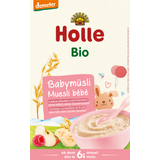
Holle Organic Demeter Whole Grain Baby Muesli, 250 g
- From the 6th month onwards
- Carefully selected grains
- Very fine organic whole grain flakes
-
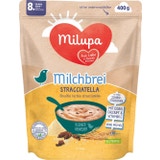
Milupa Baby Cereal with Milk, Straciatella - Little Gourmet, 400 g
- Age: 8 months & up
- With chocolate chips
- Practical resealable bag
Magazine Articles:
-
Switzerland: Free standard delivery from CHF 69.90
-
Delivery in 3 business days.
Secure payments
with SSL encryption technology